
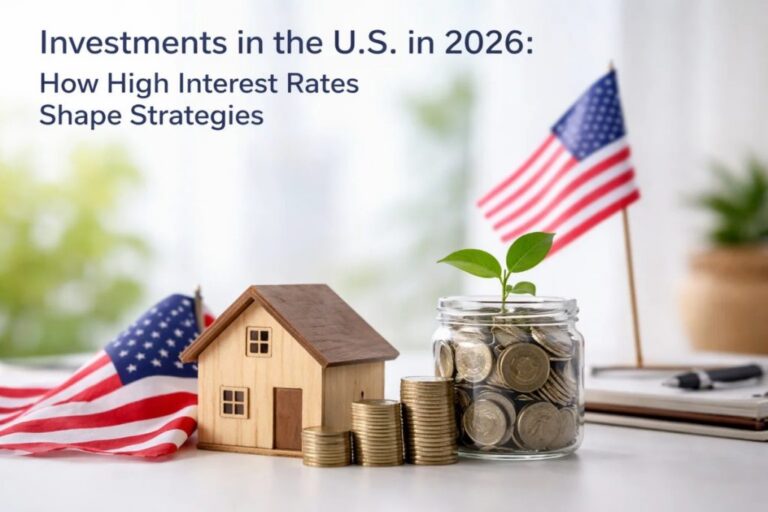
In 2026, investments in the U.S. are navigating a landscape marked by high interest rates, reshaping strategies for various asset classes. While higher rates can often signal tighter monetary policy, they can also bring about unique opportunities for savvy investors who understand the terrain.
Strategies amidst soaring rates
When interest levels climb, the cost of capital rises, which can initially seem daunting to those planning for the future. However, such periods often reward those willing to diversify and adjust their approaches. Investment-grade bonds, for example, gain appeal due to their relatively lower risk and the increased yield compared to periods of lower interest.
Real estate, too, isn’t immune to these shifts. Investors might find opportunities in markets where property prices adjust more readily, allowing for potential appreciation as the market stabilizes. Thus, a diversified portfolio, combining bonds, equities, and real estate thoughtfully, can mitigate risks and harness potential gains during these times.
Identifying potential in alternative assets
As traditional sectors adjust to the current economic environment, alternative investments gain traction. Commodities, for example, often act as a hedge against rising prices, providing a buffer for diversified portfolios. Additionally, private equity opportunities become increasingly appealing as they are less susceptible to public market fluctuations.
Cryptocurrencies and fintech solutions present both risk and innovation potential for those with a higher tolerance for volatility. While these markets are inherently risky, the potential for significant returns attracts investors willing to navigate their complexities.
The evolving landscape and concluding thoughts
As the high-interest environment persists, understanding the nuances of its impact becomes crucial. Investments must be reassessed regularly, ensuring alignment with both financial goals and the current economic climate. This evolving landscape demands flexibility and innovation from investors, highlighting the importance of robust research and strategic adjustments.
Ultimately, the ability to thrive amidst higher rates comes down to a willingness to adapt and explore new areas. By leveraging knowledge of market dynamics and diversifying portfolios, investors can position themselves to capitalize on opportunities while mitigating risks.
👉 You may also be interested in: How Credit Culture Influences Financial Choices in the U.S.